


TL;DR
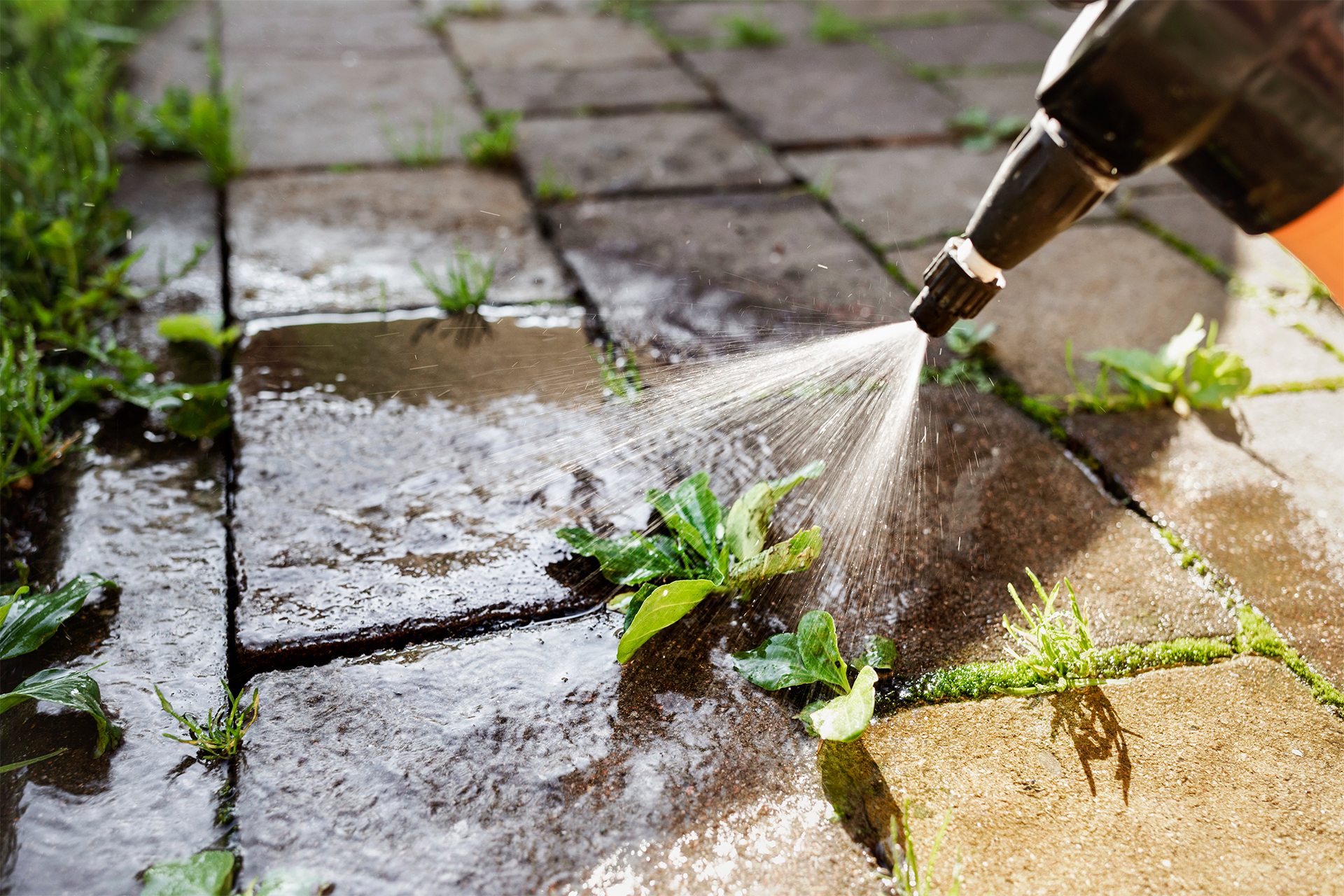
Natural herbicides offer a safer, eco-friendly alternative to chemical weed killers, helping protect soil, wildlife, and human health. From simple DIY methods like vinegar or boiling water to longer-term solutions like mulching and strategic planting, there are effective ways to manage weeds without relying on harsh chemicals.
Something is quietly unfurling in British soils – and it’s not just weeds. Like mushrooming mycelium networks, more and more gardeners, landscapers, local authorities, and civic-minded neighbours are joining a growing environmental movement that’s putting greater emphasis on land stewardship and restorative ecological practices.
At British Flora, we’re proud to be part of that change, working alongside conservationists and UK wildlife trusts towards biodiversity net gain and, more broadly, a healthier, thriving ecology full of native plants and wildlife.
In that capacity today, I’m going to be sharing 9 natural herbicides – recipes and weed control methods – you or your organisation can use to manage invasive and unwanted species whilst keeping the plants you do want flourishing. Spoilers: many of the ingredients are already tucked away in your pantry cupboard.
Contents:
- What is a Herbicide?
- Why the Pushback? How Commercial Herbicides Are Harmful
- Alternatives Exist: The Restorative Role of Natural Herbicides
- 9 Natural Herbicide Recipes + Tips
- Conclusion
What is a Herbicide?
Let’s make sure everyone is on the same page, shall we?
A herbicide is just another word for a weed killer, a substance designed to control undesirable plants by preventing their growth.
While there are many selective herbicides – those that target specific weeds – many are indiscriminate killers, which will destroy any plant that touches them.
I also want to point out that conventional weed killers found in garden centres and supermarkets tend to be systematic; that is, when you spray them, they’ll travel through the plant’s transport tissue, from tip to roots. As you can guess, this leaves zero chance for regrowth – hence why it’s a popular choice for tackling stubborn or invasive plants like ivy and Japanese knotweed.
Why the Pushback? How Commercial Herbicides Are Harmful
If you’ve been keeping an ear to the ground in gardening and conservation spaces, you may have heard mounting grumblings about weed killers. Why?
Well, in truth, they’re pretty harmful to Earth’s ecosystems. So much so that the EU has banned many herbicides on the evidential grounds of endocrine disruption, fertility risk, groundwater contamination and biodiversity depletion.
But it’s not just over the Channel that authorities are facing backlash for using toxic herbicides: recent analysis from Unearthed has found that out of 14 chemicals outlawed in the EU since Brexit, 10 are still being used in the UK and pose serious hazards to human health, wildlife or the environment.
A separate report from France shows a clear link between species recovery and reduced use of these harsh chemicals, with both insect and bird populations bouncing back following the phase-out of various substances.
Alternatives Exist: The Restorative Role of Natural Herbicides
With glyphosate-based products among numerous other herbicides banned in the EU, it’s understandable why British gardeners might want to side-step using them themselves.
Biological diversity is incredibly important; it’s the support system to all life on Earth and vital to agriculture, climate resilience and medicine. So, any little help – including the switch away from traditional weed killers – can make a real difference, in your backyard, but also on a planetary scale.
9 Natural Herbicide Recipes + Tips
With that preamble wrapped up, allow me to get down to business. Here, I’ve compiled 9 popular alternatives to conventional herbicides, from low-effort recipes to higher-effort practices.
Eco Herbicides
Eco herbicides are exactly what they sound like: more environmentally inclined weed killers you can buy online or at selected supermarkets and garden centres.
Although these concoctions are typically made from organic, biodegradable ingredients, such as citric acid, cinnamon and clove oil, they tend to do a decent job at snuffing out the unruly weeds without harming non-target plants.
The aim of these sorts of products is to combine the rapid action and efficacy of a traditional herbicide with the eco-credentials contemporary landscapers, gardeners and groundskeepers are looking for. This means long-term soil contamination and minimal residue left behind.
The Lemon Juice Method
Another sweat-free method for banishing pesky weeds is by covering them in lemon juice. Why, you ask? Because the liquid contains citric acid, which causes plants to shrivel up and die.
For this natural herbicide recipe, I recommend juicing around 5 lemons, or more if you’re covering an especially big area, like a patio, driveway or pathway. Alternatively, you can buy pre-squeezed lemon juice in larger containers.
Pop it in a spray bottle and apply as you would a regular weed killer, ensuring you don’t hit any greenery you want to stick around, like those all-important plants for pollinators.
Our Salt Natural Herbicide Recipe
Similarly, salt (AKA sodium chloride) makes a strong plant-killer if applied in high enough doses. Just combine it with two or three parts water, and you have a cheap and effective solution right from the comfort of your kitchen.
Do note, however, that as a substance salt generally isn’t healthy for a garden, since it can negatively impact the pH of the soil due to the leaching effect. For this reason, I don’t recommend using it outside of paths or paving.
Baking Soda x Vinegar
This natural herbicide is all over the internet, often used for grass invaded by dandelions and other unwanted species. In fact, councils up and down the UK are trialling it as a planet-conscious solution to overgrown pavements and weed-ridden alleyways.
Again, the recipe is a simple one: mix one part baking soda with two parts white vinegar, plus some lemon juice if you fancy dialling up the potency.
While the mixture is moderately effective, it’s worth pointing out that the chip shop condiment does give off a distinctive whiff, even as a weed killer – as Bristol residents found out the hard way back in 2016.
Using Boiling Water
If you’ve fixed yourself a cuppa and you have some leftover water in the kettle, one way of putting it to good use is by turning it into a natural herbicide.
Water, as we know, has no adverse effect on soil quality or ecosystems; it’s the high temperatures that eliminate the weeds. As such, take care not to overpour, as you might catch some nearby plants you want to thrive. By the same token, this method is best left to small, isolated patches of weeds or for green tendrils that creep out of the cracks in driveways, paths, patios and pavements.
Let Your Pets Graze
Another low-effort fix to the age-old weed problem is letting your pets do the work. Grazing animals like chickens, rabbits, guinea pigs or even goats will gladly hoover up the eyesores to fill their bellies – just make sure to confine them to the desired zone with a suitable pen and. Most importantly, keep them from munching on anything they shouldn’t.
Smother Them
Plants need a steady stream of sunlight and carbon dioxide to photosynthesise and sustain themselves, so logically depriving weeds of these vital resources keeps them in check.
I’ve seen gardeners approach this from many angles; some more elaborate than others. A zero-effort approach could be throwing down a tarp or other covering in a desired area, but due to the blanket effect, you’ll kill everything under there.
Alternatively, you could place down pieces of cardboard (with any plastic tape removed!) in beds or around the bases of trees, where you’re not intending to dig. Of course, the downside is that it’s not very attractive – which is why many green thumbs opt to cover them in grass clippings or mulch. As each layer breaks down, you’ll get a gradual improvement to the soil quality.
Mulching
Speaking of mulch, alone, it also does a decent job of keeping the weeds away. This thick layer of material prevents the shoots from poking through, whilst naturally enriching the soil with crucial nutrients. The versatility of this method is of particular note: whether you’re using homemade compost to weed membranes, there’s plenty of material you can use that would otherwise get chucked into your garden bin, never to be seen again.
Strategic Planting
Did you know that some ground cover plants instinctively keep weeds at bay? These attractive plants naturally work to smother weeds by creating a green carpet that leaves no room for their adversaries. I see it as two birds with one stone, since along with the weed control, you get beautiful border blooms.
In the UK, native species like bugle and sweet woodruff are naturally occurring in woodlands and hedgerows, so they’re a natural choice for a nature-friendly green space.
Conclusion: Natural Herbicides are a Major (Yet Overlooked) Tool for Combatting Biodiversity Loss
As the RHS aptly puts it, “gardens are frontlines in protecting biodiversity in the face of climate change.” So, collectively, we’ve got to do our best to look after them.
By putting down the supermarket weed killer and turning to one of the natural herbicides listed above, you’re not simply safeguarding the plants you love, but having a broader positive impact on both human food systems and the environment.
So, if you want to get a bit more French and follow their lead by ditching the glyphosate, our tips are the best place to start. And while you’re at it, why not explore our wildflower seed range to bring more colour and ecological vibrancy to the green spaces at your doorstep?