

TL;DR
The best plants for a British hedgerow are hardy native species like Hawthorn, Blackthorn, Field Maple, Common Holly, English Lavender and Yew, as they act as vital wildlife corridors, providing ample shelter and food sources for animals. To promote biodiversity, include a mix of native shrubs, grasses and flowers, and allow them to grow thick and tall.
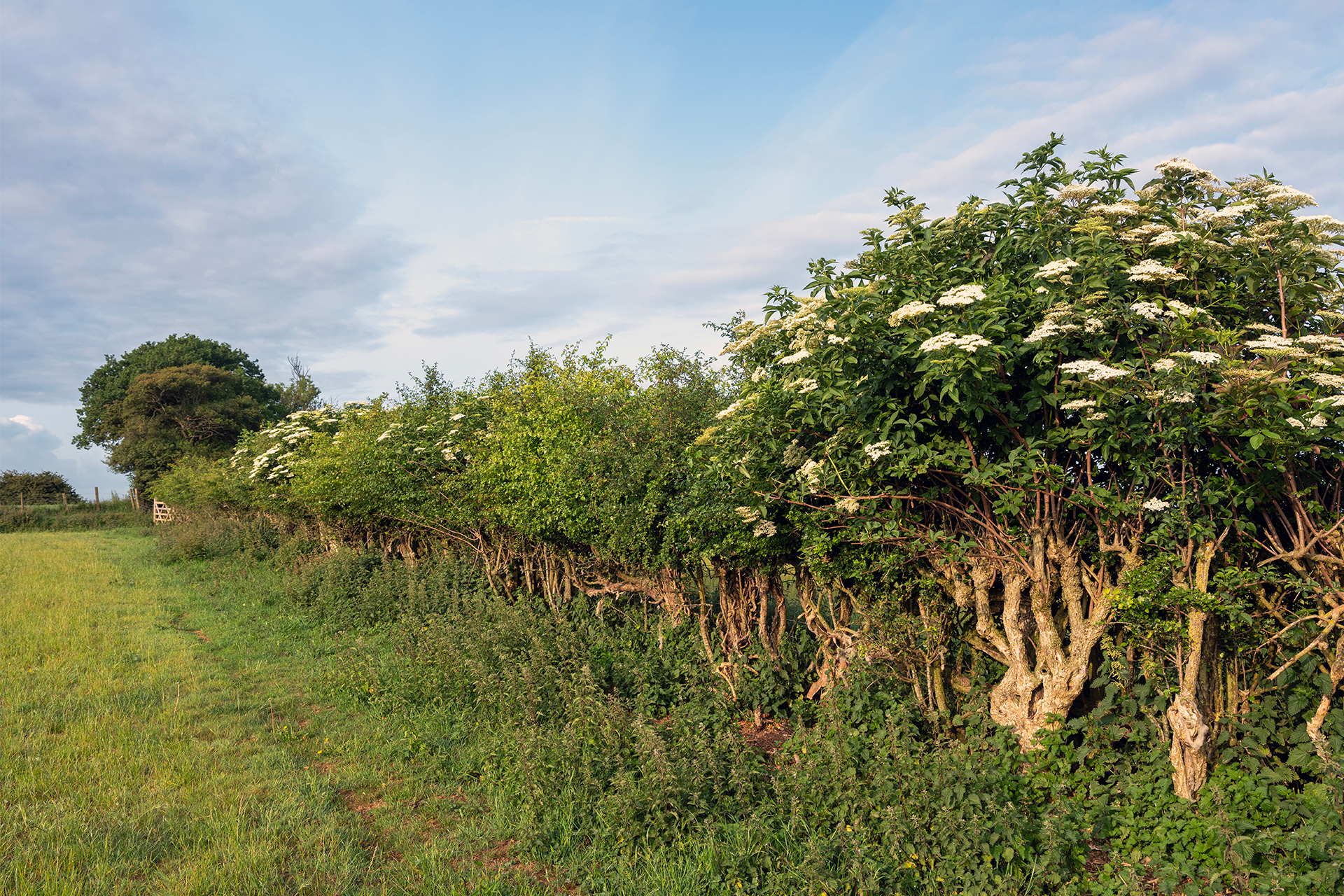
As humble as they are on the surface, Britain’s hedgerows are one of the country’s bastions of biodiversity, not just bog-standard boundary markers. Home to a host of planet-sustaining critters, these ecosystems are not to be overlooked.
If you’re looking to give nature a leg up, whilst providing your home, neighbourhood or community a little privacy and some needed greenery, you’re in the right place. Here are the best plants for a hedgerow as chosen by British Flora, the UK’s largest grower of native wildflowers and advocates for richer, wilder ecosystems at our doorstep.
Starting with a handful of British easy-growers, I’ll share my top recommendations, along with some practical considerations to make the decision as breezy as possible. Now, it’s time to muck in.
Contents:
You may have noticed that the types of trees and shrubs vary between the iconic hedges found in the countryside and those lacing across your typical urban sprawl (think: privet, berberis, box hedge and laurel).
Although the latter non-native plants provide excellent cover and aesthetics, I’m going to be focusing on indigenous British species, given their lifeline function for local wildlife. Call me biased, but I’ll say it with my full chest: they’re the absolute best hedgerow plants for British green spaces.
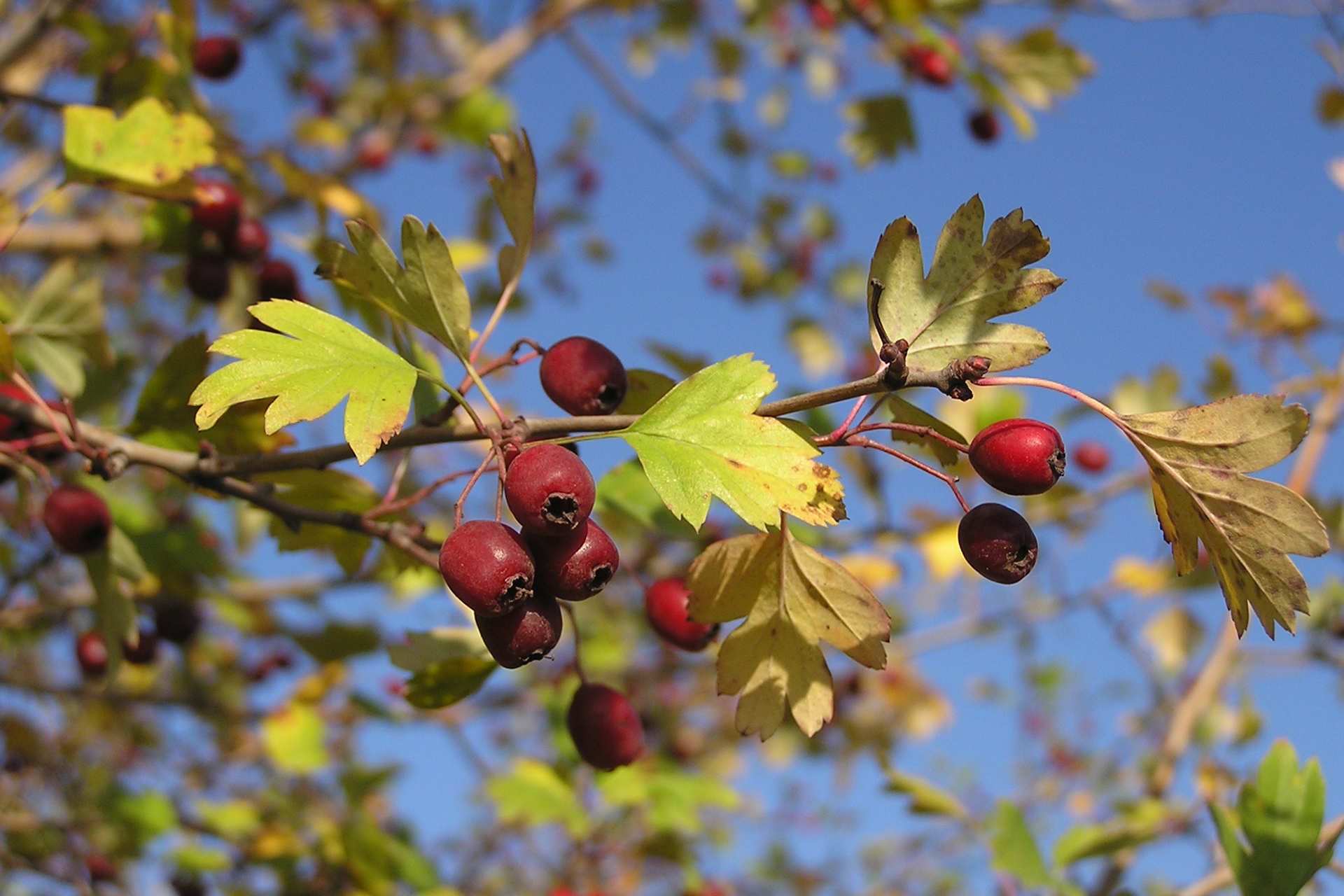
1. Hawthorn (Crataegus monogyna)
Sporting delicate pinkish-white blossom come springtime, hawthorn has been a staple of the UK countryside for thousands of years, and yet its beauty still rings true to passersby who set eyes on this deciduous shrub. With an appearance not too far from a classic privet, it’s uniquely suited to British soils, putting down roots in clay, chalk and sandy soils alike.
The clear benefit for homeowners and local authorities, though, is the seasonal interest it carries: fragrant flowers that smell sweet to some, to others subtly spicy; dark green, lobed leaves in the summer, which give way to gleaming, edible berries (haws); and a great opportunity for birders as the dense, thorny branches provide a natural perch and nesting spot for animals seeking shelter from predators.
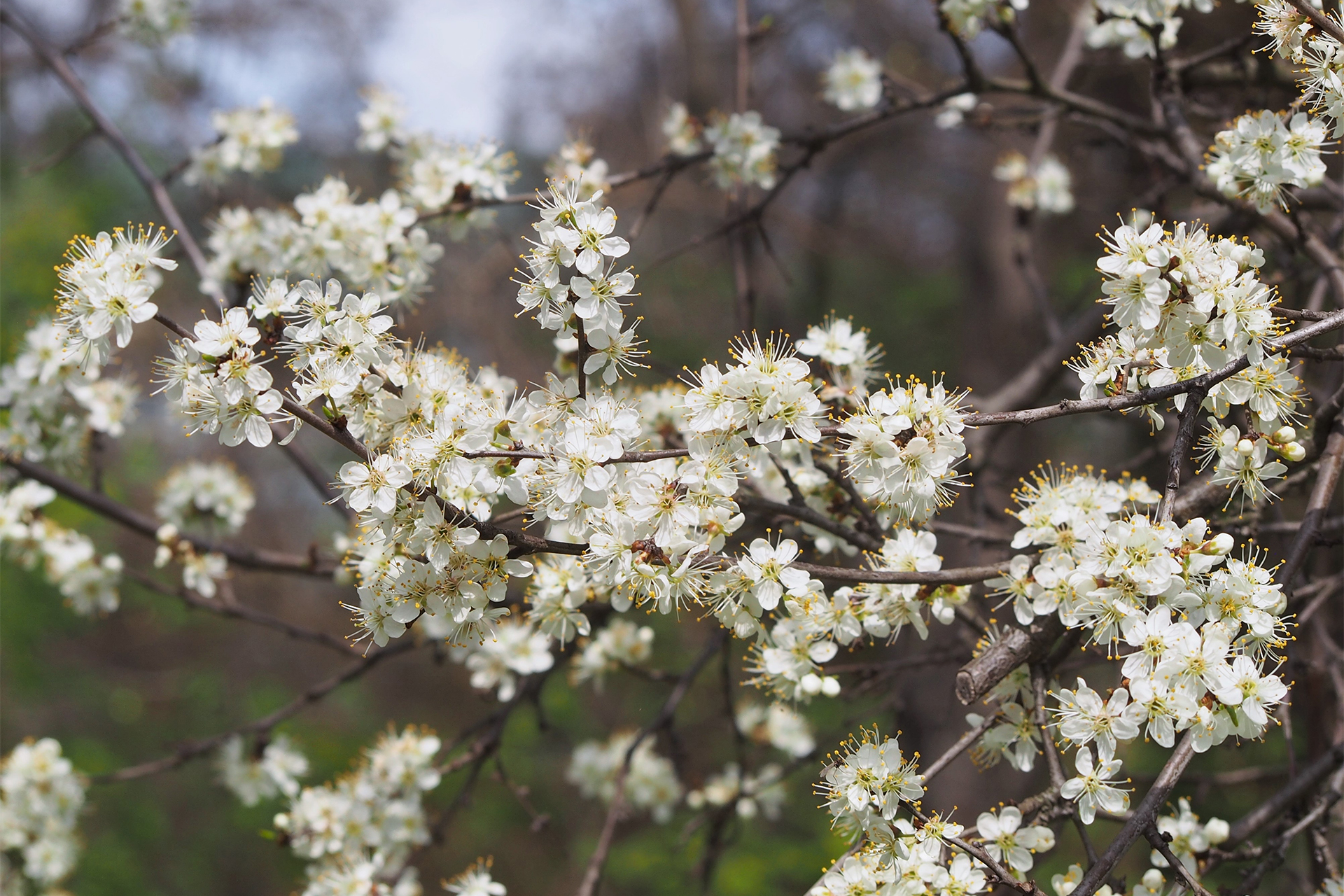
2. Blackthorn (Prunus spinosa)
Commonly confused with its closely named cousin, blackthorn is another legacy hedgerow plant and one of the best species to manage if you’re in the business of rewilding. Supporting hundreds of insect species with its white, five-petalled blooms, the dark, spiny bark serves up a feast for pollinators in March and then a banquet of sloes for humans and birds between September and December. Often found in woodland scrub, they’re my top choice for gardens angling for a rustic, untamed feel.
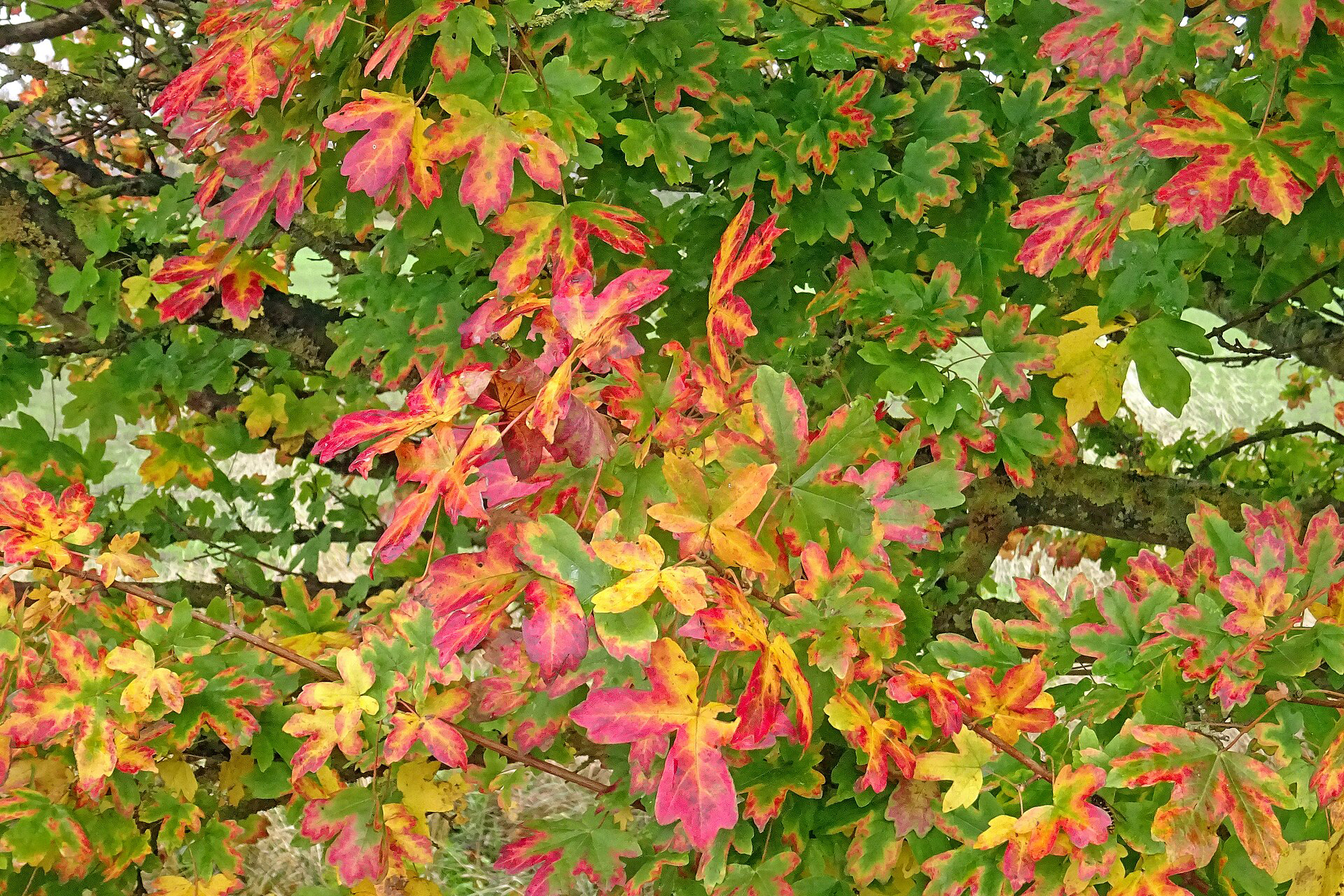
3. Field Maple (Acer campestre)
Field Maple is the only British-born and bred maple tree. With a medium-sized stature and a round bushy crown, they make attractive leafy hedgerows, particularly in autumn when the leaves transition from vibrant green to burnished gold. You can quickly identify the stuff by its pale brown, flaky bark and five-pointed, almost palm-like leaves.
To establish them as a hedge, you’ll need well-drained soil (the species taking notably well to lime-rich earth). But otherwise, they’re simple to grow thanks to their inherent pollution-resistance – urban dwellers, you’ve struck gold! Also, immensely valuable to local wildlife, the sap is like a drug to aphids and caterpillars, who nibble on the leaves, attracting predators in their wake, from hoverflies to garden birds.
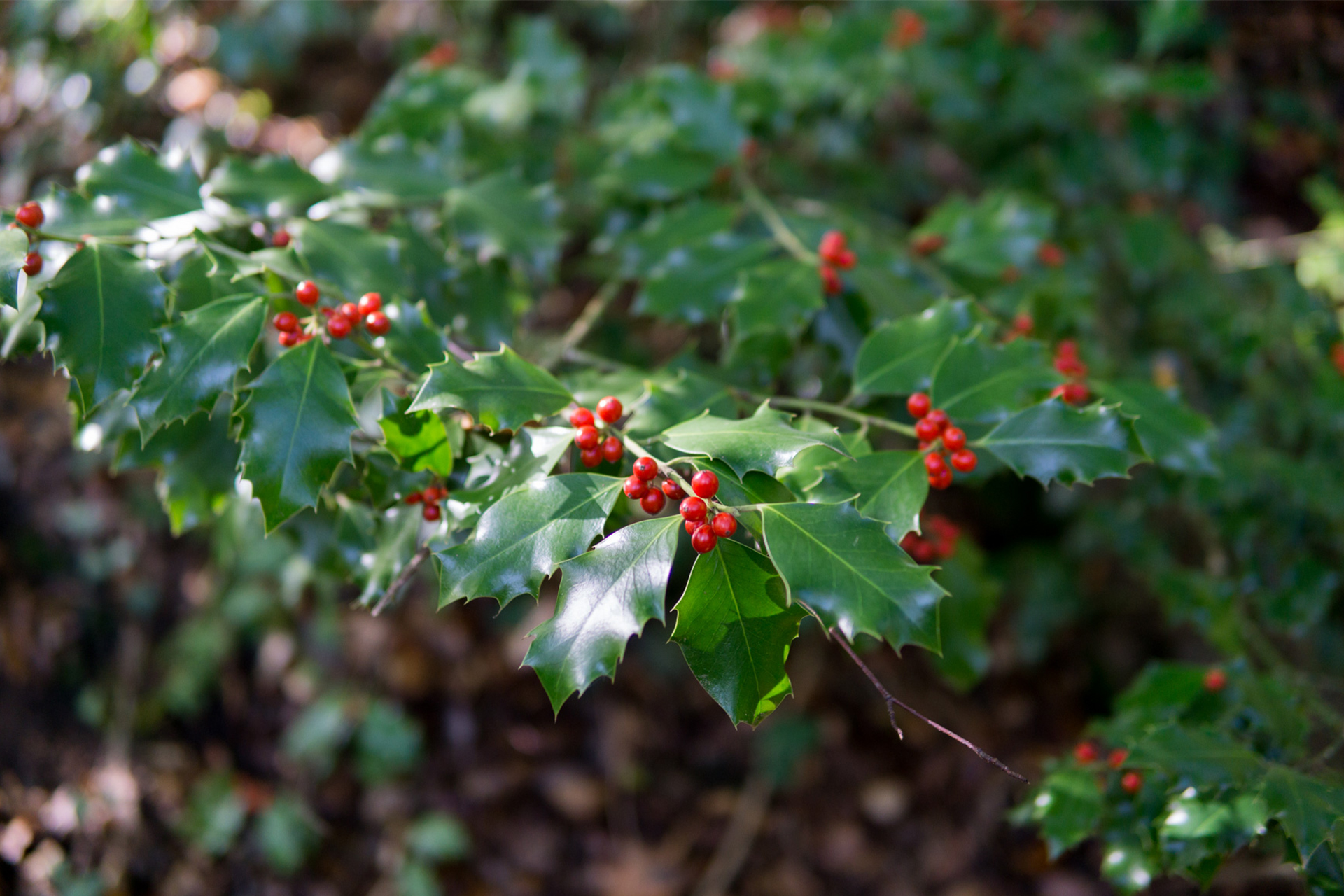
4. Common Holly (Ilex aquifolium)
Much like a puppy, common holly isn’t just for Christmas, although it certainly looks the part when the festive season rolls around. Bringing natural texture into gardens, parks, woodland areas and other public outdoor spaces, this native evergreen species can sometimes even act as a deterrent to trespassers. I mean, who wants to try and squeeze past those spines?
Growing at around 10-20cm per year, it takes slow progress to establish; however, at a full height of 15m, its year-round elegance certainly makes up for it. Throw in its hardy constitution – it can handle soil types, sunlight exposure, temperatures and moisture conditions – and you can understand why they’re a top contender for long-term landscaping projects.
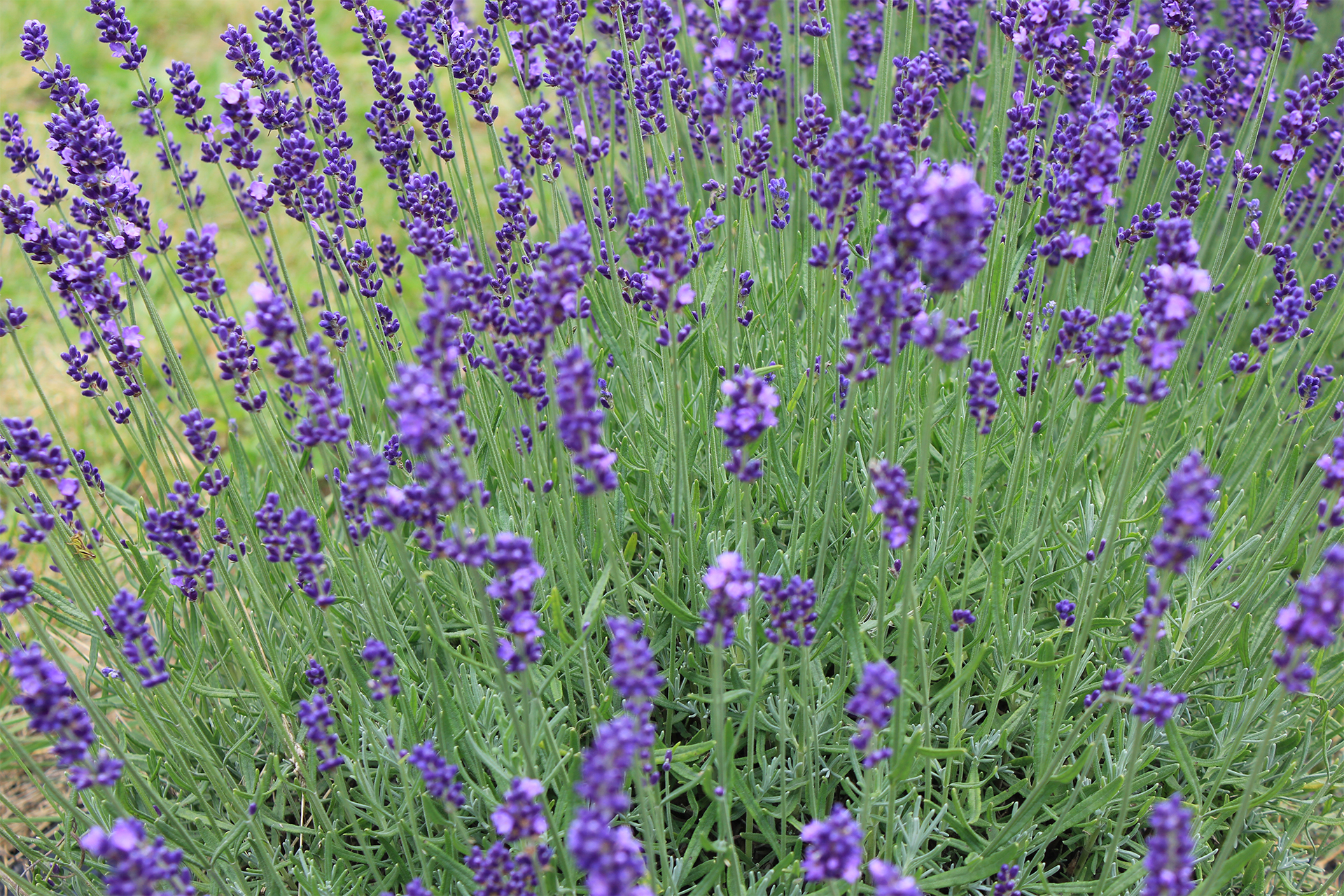
5. English Lavender (Lavandula angustifolia)
Lastly, I want to spotlight a more familiar sight in the average British garden, English lavender. As the name suggests, it’s native to UK soils, meaning that it thrives under our miserable weather conditions. Known for being drought-resilient and sun-loving, this aromatic plant naturally repels feline visitors whilst attracting human attention with its distinctive fragrance.
Blooming purple from early summer, they form thick borders up to 60cm tall, which become a little woodier the longer you leave them unpruned. Some annual TLC with a pair of shears lets you sculpt them into a neat, form-retaining structure, so in my book, it’s relatively low maintenance.
Considerations to Run Through Whilst Choosing Hedgerow Plants
Hedgerows have been part of the British landscape for centuries, originally used to mark boundaries, contain livestock and provide shelter from the elements. Today, they remain an important feature in gardens and rural spaces alike, supporting wildlife and helping to preserve the character of the countryside.
When choosing plants for your hedgerow, it’s important to think beyond appearance alone. Personally, I’m a fan of hedges that blend practicality and seasonal interest with environmental benefits. Speaking of…
One of the biggest advantages of a mixed hedgerow is the biodiversity it supports. A wide variety of plant species is a magnet for woodland critters; they provide food (read: berries, leaves, bark and pollen), nesting spaces, improved soil/air quality and shelter throughout the year. Generally, the greater the diversity of plants within a hedge, the healthier and more wildlife-friendly it becomes.
Here are some key considerations to keep in mind when selecting hedgerow plants:
- Evergreen or deciduous – Evergreen hedges provide year-round screening and structure, while deciduous varieties offer seasonal variation, shifting colours, flowers and berries. Remember, many hedgerows successfully combine both.
- Flowering times – Choosing plants that bloom at different points throughout the year helps extend the availability of nectar and pollen for bees and other pollinators, and it looks blooming lovely too.
- Formal vs informal styles – Tastes vary between people, luckily so do hedge species. Formal hedges suit neatly maintained gardens and require regular trimming, whereas informal hedgerows have a looser, more natural appearance that benefits wildlife.
- Maintenance requirements – Even the best plants for hedges come with strings attached, and by that I mean they need routine TLC. Some require frequent pruning to stay tidy, while others are relatively low maintenance, so do consider how much upkeep you realistically want to commit to.
- Native plants and soil conditions – Native British species are often the best choice for supporting local ecosystems and are usually better adapted to local weather and soil types, whether clay, chalk, sandy or well-drained.
- Height and spread – Think about how tall and wide the hedge will become at maturity, particularly if space is limited or neighbouring properties are nearby.
- Specialist requirements – Your hedgerow may need to fulfil a practical purpose, such as increasing privacy, improving security, reducing noise, containing pets or creating wind protection.
- Sunlight levels – Some hedging plants thrive in full sun, while others tolerate partial shade or north-facing positions better. Play the match-making game to ensure healthy growth.
A More Extensive List
In truth, there are thousands of UK-derived, hedge-friendly species you could cultivate in these thick, prickly barriers, spanning traditional hedging shrubs of evergreen, deciduous and flowering varieties, as well as the long grasses and flowers sprouting around the boundary line’s base. This includes nearby trees, banks and ditches. As such, I’ve only got time for a deep dive into a handful of them.
The best way to find out which species are the right fit for your project is to dedicate yourself to the research. That said, here are a few pointers to alleviate that process:
- Conifer / Yew (taxus baccata) – Bushy evergreen trees that reach 12m+ in height and can spread up to 8m wide, with red, non-edible berries with a fleshy complexion. Ideal for hedges and nature-based privacy screens.
- Red Campion (Silene dioica) – A gorgeous, natural decorative accent to your hedges in a bright pink and a symbol of Saint James’ feast day in the Anglican Church, not to mention a feast for pollinators.
- Hornbeam (Carpinus betulus) – Belonging to the birch family, these leafy, deciduous trees take up a sizeable footprint (>12 x >8m), providing optimal coverage for critters like mice, hedgehogs, squirrels and nesting birds seeking out winter hidey holes.
- Common Hedgenettle (Betonica officinalis) – Sometimes called ‘betony’, this flowering species of mint sports pale purple flowers and tooth-edged, wrinkly leaves.
- Berberis (barberry) – Spanning 500+ species, these versatile, spiny shrubs are often deployed as a natural security boundary. Dense, happy to grow in clay-based soil, abundant in flowers come late spring, they’re popular among pollinators and small bird species. Not a UK native, but just as wildlife-friendly.
- Dog Violet (Viola riviniana) – A haven for fritillary butterflies, which like to feed and lay eggs on the leaves, these unscented purple flowers grow up to 15cm in woodlands, grasslands and up on the heath.
- Dogwood (Cornus sanguinea) – Holding clutches of ‘dogberries’, developed from creamy white blossom, these are the best plants for hedgerows if you’re after a burst of vibrant colour for the winter. The stems turn a stunning crimson as the evenings draw in.
- Primrose (Primula vulgaris) – Pale yellow flowers that stir in late winter and flower throughout springtime. A hardy, low-maintenance way to add ornamentation in amongst shrub thickets.
- Bush vetch (Viicia sepium) – A clambering plant, which fills out sparse hedgerows with ease, its leafy tendrils and tiny lilac-blue flowers are easy on the eyes, whilst the root nodules fix nitrogen from the air to improve soil quality.
- Wayfaring tree (Viburnum lantana) – These meandering ornamental plants will climb up pretty much any structure, lattices and tall trees included. Brightening up hedges with bunches of five-petalled flowers, they’re hardy but thrive under sunny, well-drained conditions.
- Fox Glove (Digitalis purpurea) – An iconic British flower, favouring a plethora of growing conditions. Their spires of purple bells are perfectly shaped for bees, butterflies, hoverflies, and other insects besides.
- Bugle (Ajuga reptans) – Functioning as a , these native ground cover plants are ideal for suppressing weeds whilst supporting local ecosystems.
- Wild Strawberry (Fragaria vesca) – Making delicious treats for humans and foraging creatures alike, the plant is classified as near-threatened due to habitat loss, so introducing them into your hedge is doing yourself and the ecology a favour.
Final Thoughts: We Can’t Hedge Our Bets on Biodiversity Returning on Its Own
Contrary to popular belief, we can’t just step back and leave nature alone; for millennia, humans, among other species, have lived in tandem with the land, shaping ecosystems for as long as they have each existed.
To ensure the rehabilitation of our depleted green spaces, we as individuals, conservation trusts, councils, businesses and policy makers have got to act as stewards rather than simple consumers. And rewilding a small stretch of British hedgerow, be it in your back garden or a public park, strikes me as a wonderful place to start.
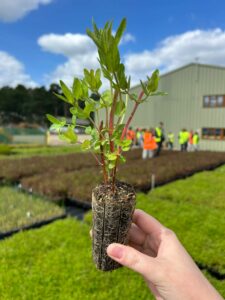
So, what are you waiting for? Have a browse of our complete offering of native woodland and hedgerow plants, available as plant plugs and seed mixes, all with verifiable UK provenance.