

TL;DR
British butterflies rely on nectar-rich flowers for adults and specific host plants for caterpillars. The best butterfly plants in the UK include Bird’s-foot Trefoil, Knapweed, Devil’s-bit Scabious, Hemp-agrimony, Lavender and Wild Marjoram, while Nettles, Buckthorn and Thistles support breeding populations. Planting a mix of native species that flower from spring to autumn helps attract and sustain butterflies throughout their lifecycle.
If you’re anything like me, heaven looks like a sunny day in the garden surrounded by a shock of colourful plants, as native butterflies flit from flower to flower… especially considering the tragic numbers on the Red List (half of our 60 species as of 2022).
But we’re not all blessed with green thumbs, or even a growing-ready green space to call our own. So, how on earth can we coax these critters back into our landscapes, towns and cities?
Nature lovers, don’t spiral just yet. As our friends at Butterfly Conservation attest, even a tiny balcony or patio with a few plant pots seeded with nectar-rich blooms can make a difference; as can letting your lawn grow wild come springtime.
If you’re really invested, though, and you have the square meterage to spare, here are some butterfly plants we recommend at British Flora, the UK’s foremost supplier of native wildflower seeds.
Contents:
- Why We Love Butterflies
- British Flora’s Shortlist: The Best Plants to Attract British Butterflies
- Rapid Fire Butterfly Garden Tips
- Conclusion
Why Pollinators are the Bees (Butterflies?) Knees
Butterflies carry a lot of cultural weight; they’re often associated with renewal and transformation – unsurprising given their curious lifecycle – and, in some cultures, are even symbolic of a recently departed soul.
From a more practical perspective, they’re heavy lifters in our British ecosystems. Like all pollinators, they play a keystone role as a food source for birds, keep our countryside blooming, our crops harvestable, and are a helpful indicator of broader environmental health.
Ignore their biodiversity significance, and you have layers of intrinsic value, making these beautiful organisms worth conserving in their own right. Besides, we all agree, don’t they look beautiful?
British Flora’s Shortlist: The Best Plants to Attract British Butterflies
Before I fly on through, do know that this is by no means an exhaustive list (otherwise, it would end up with hundreds of entries).
Here, I’ve compiled some of my favourite butterfly flowers suitable for beginners, for planting throughout the year and fit for all kinds of habitats, from container gardens and grass verges to community allotments.
If you’re after a cheat code, most reputable wildflower suppliers offer butterfly selections specifically for these colourful pollinators. At British Flora, we donate 5% of these sales to our partner, Butterfly Conservation, to do our bit, turning small spaces into big impacts.
For Spring & Early Summer
- Bird’s-foot Trefoil: A low-growing plant with clusters of bright yellow pea-like flowers that often turn orange with age; very easy to establish from seed in poor, well-drained soils and full sun.
- Common Grape Hyacinth: Produces dense spikes of deep blue, grape-like flowers in spring; easy to grow from bulbs in most soils, preferring sun or partial shade.
- Common Rock-rose: A mat-forming plant covered in cheerful yellow flowers with crinkled petals; thrives in dry, sunny, well-drained soils and is ideal for chalk or limestone areas.
- Kidney Vetch: Bears clusters of soft yellow flowers above silvery foliage; easy from seed in sunny, free-draining, nutrient-poor soils and particularly suited to chalky ground.
- Lavender: A bright, fragrant addition to hedgerows or garden beds; these plants with their spikes of purple flowers are easy to grow in full sun and well-drained soil, especially in dry conditions.
- Meadow Rue: A tall, airy perennial with clouds of fluffy yellow flowers and delicate foliage. They tend to prefer moist soils in full sun or light shade and could take a year or two to establish.
- Ox-eye Daisy: A classic wildflower with large white petals and yellow centres, which is very easy to grow from seeds, and will do well in most meadow soils in full sun.
- Red campion: Bringing a speck of drama to your green spaces, they sport masses of vibrant pink flowers above soft green foliage. Plant them in sun or partial shade.
- Ragged Robin: Recognisable by its distinctive frilly pink flowers, I recommend growing it in moist or damp soils.
- Ribwort Plantain: A hardy native with narrow leaves and unusual brown flower heads surrounded by white stamens. Quick to establish, you can grow them in pretty much any soil.
- Thistles (Melancholy, Plume, Creeping, Meadow): Full of heritage, their tall, purple flower heads are a beacon for pollinators. The bonus? They flourish even in poor soils as long as they get plenty of sun.
- Yarrow: Forms flat clusters of white flowers above finely divided fern-like foliage. Another easy-grower, they excel in most sunny sites, including dry and poor soils.
For Late Summer & Early Autumn
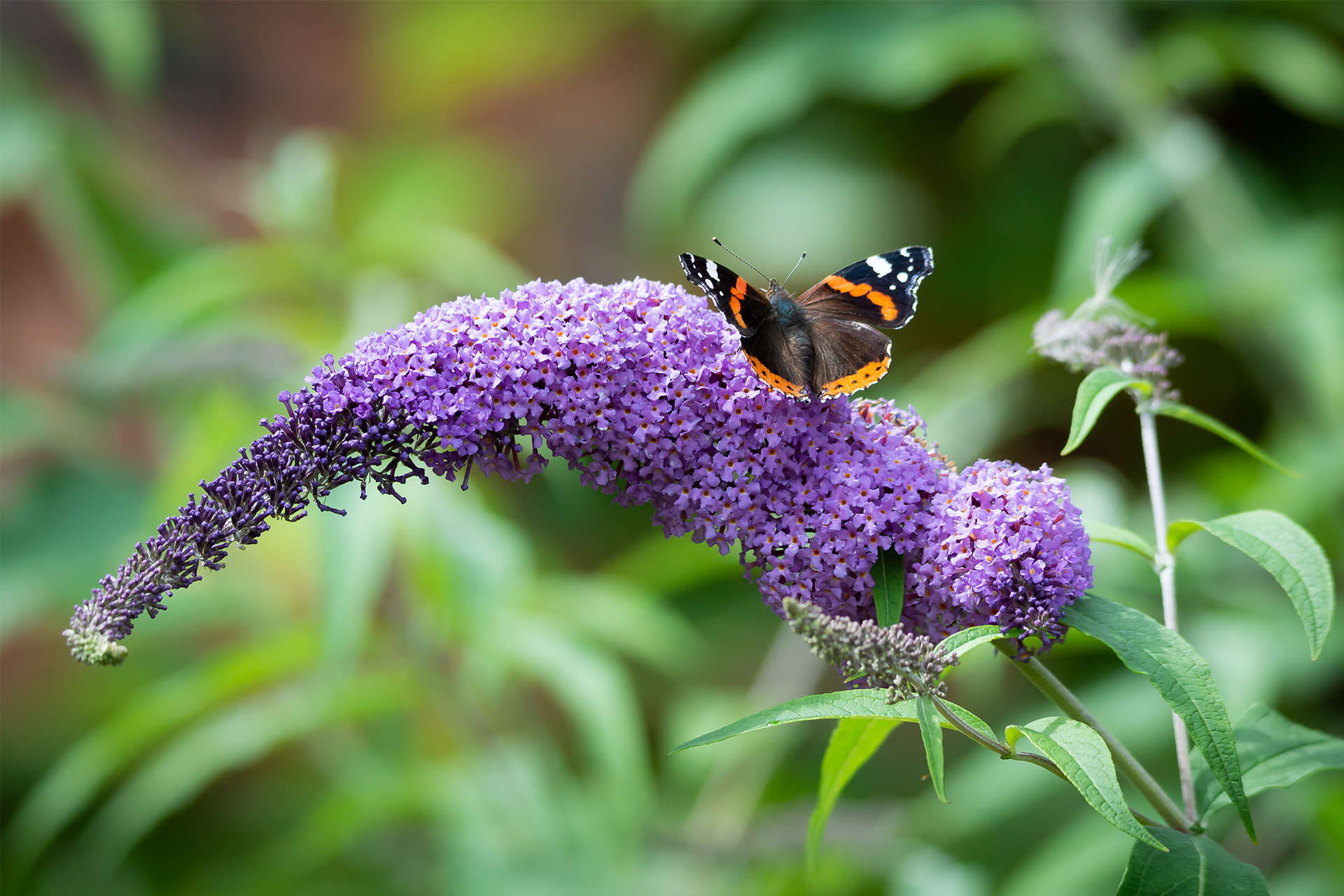
- Buddleia: Strongly associated with butterflies, this fast-growing shrub provides a feast of nectar for many butterfly species with either white, pink or purple blooms. You’ll see them on wastelands because they’re a doddle to grow.
- Catsear: A visual cousin to the dandelion, you’ll see bright yellow flowers held above hairy leaves in both sunny grassland and poor soils. Yes, they’re simple to grow.
- Corn cockle: Dainty magenta blooms perched on a light green stem, these are an attractive addition to verges and lawns, plus easy to foster in sunny conditions with well-drained soil.
- Dahlia: A British garden classic that does well in plant pots. They show off large, colourful blooms in a huge range of shapes and colours.
- Devil’s-bit Scabious: Bears rounded blue-purple flower heads on slender stems late into autumn. A little harder to establish, but with TLC and moist soil, they’ll be grand.
- Field Sacbious: Known for pincushion-like lavender-blue flowers on tall stems and another easy-grower for beginners.
- Greater Knapweed: Enjoy large thistle-esque flowers and an abundance of pollinator visitors in a variety of soils.
- Hemp-agrimony: Favoured by Red Admirals and Tortoiseshells, these pinkish clusters of flowers have a delicate appearance and thrive in damp ground.
- Lady’s Bedstraw: Turn green spaces into carpets of yellow between June and September with these honey-scented beauties. Perfect for moist soils.
- Lesser Knapweed: Very thistle-like in appearance, they flower bright purple. Although some consider them weeds, I think they’re a dashing addition to any wildlife meadow.
- Marjoram (Oregano): A tasty treat for both you and butterfly passersby, you can start them off in an indoor pot before establishing them in a bed or herb garden.
- New England aster ‘Kylie’: Pale pink flowers with bright yellow centres, not dissimilar to a daisy. A great snack for pollinators in autumn.
- Selfheal: This low-growing, creeping plant suits grassy spots, especially roadside verges and parks. Plant them in early spring for pops of violet flowers in the summer months.
- Verbena bonariensis: Reaching 2m in height, they’re a convenient food source and a mood-boosting sight. Featuring small clusters of lilac flowers that thrive in moist but well-drained soil.
- Wild Thyme: The most common thyme species, and a lovely sensory experience for those passing by, these perennials are a great starter plant for chalky soils.
Caterpillar Host / Food Plants
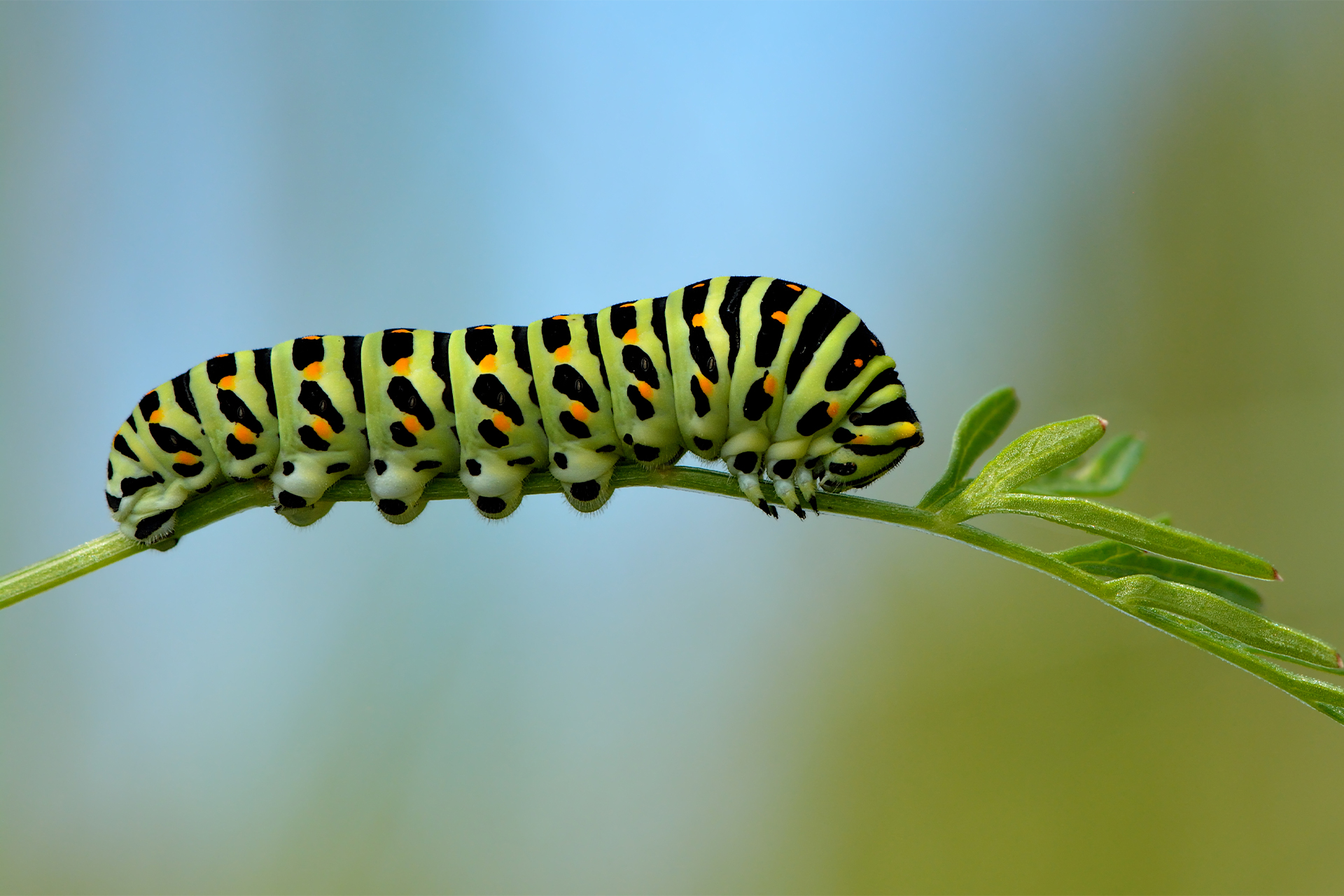
You’ve encouraged adult butterflies into your patch with the plants above; the next logical step is to support the next generation. That means providing a sheltered spot for them to lay their eggs and the larvae to emerge into spring. The catch is that many rely on native food stores, specific British plants whose new leaves these greedy caterpillars much on.
To save you on the research, here’s your shortcut to a bustling butterfly habitat they always come back to. Host plants and their butterfly inhabitants:
- Alder buckthorn and purging buckthorn: Brimstones
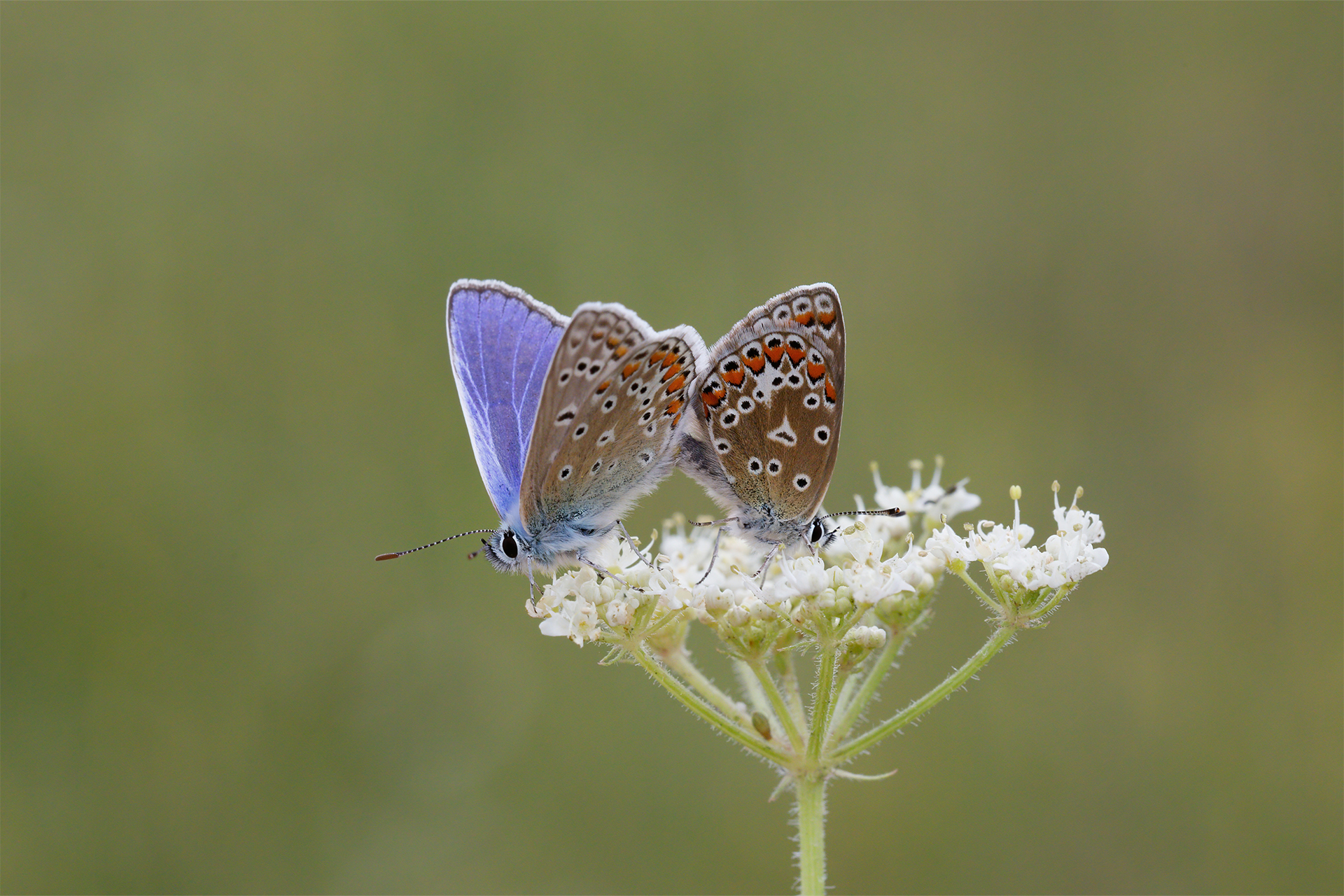
- Birds’ foot trefoil: Common Blue
- Cabbage, and other brassicas (yum!), plus nasturtium: Small & Large Whites
- Docks and sorrels: Small Copper
- Garlic or hedge mustard and lady’s smock: Orange-tip and Green-Veined White
- Hop, elms, currants and willows: Comma
- Stinging nettle:Peacock, Red Admiral, Comma and Small Tortoiseshell.
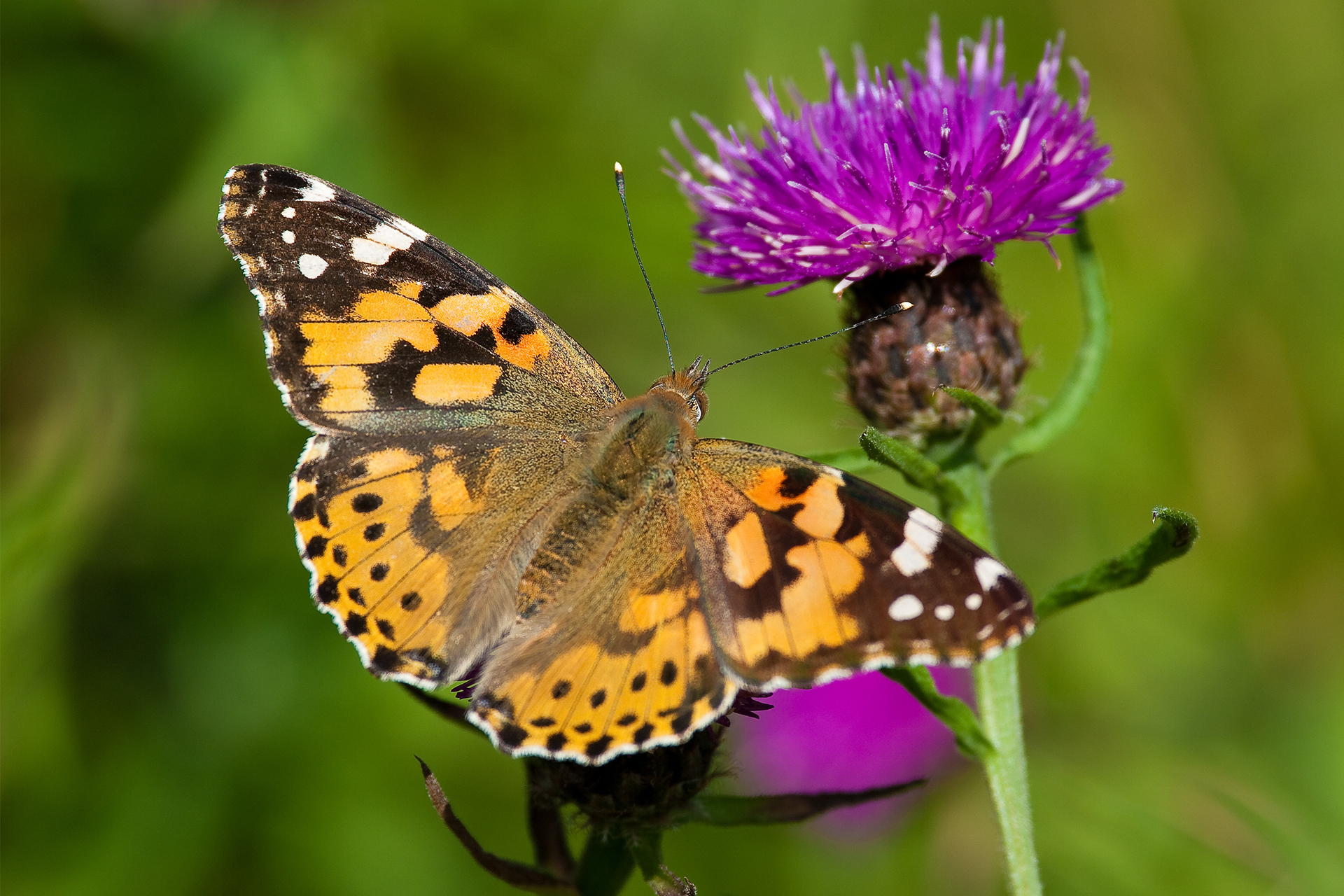
- Thistles: Painted Lady
- Mixed meadow grasses: Speckled Wood, The Wall, Gatekeeper, Meadow Brown, Marbled White, Ringlet, Small Heath, Large Skipper, Small Skipper and Essex Skipper.
What About Winter?
Compared to the previous seasons, I don’t have a whole lot to recommend you. Most butterflies hibernate throughout winter in a dormant state (as a caterpillar, chrysalis or egg) to outlast the cold; that said, I have a couple of pointers.
To keep blooms flowering for as long as possible, potentially even into late autumn, you can try deadheading the flowers, mulching with organic compost, and treating plants to a healthy amount of water.
On unusually warm days, more active species during the cold – think, Red Admirals – feed on tree sap, rotting fruits, and occasionally, a select handful of early winter-blooming plants. Ivy and Primrose Everlast immediately come to mind; plant them as a pre-hibernation snack, and you can help populations survive in frosty conditions.
Rapid Fire Butterfly Garden Tips
Now, you might be wondering: “This whole rewilding thing, is it worth it?” The studies are in, and the experts say yes.
No matter the space – a private garden, communal green spot, the verge along a country road, even areas considered ‘urban wasteland’ – the more joined up it is with other restored, wild-flower rich areas, the more our insect populations will flourish.
To that aim, here are some super simple tips you can start implementing, right now.
- Create a ‘butterfly belt’, an area of long, unmown grass left for the critters
- Avoid non-native plants, especially the invasive ones, which might outcompete butterflies’ essential food stores
- Take part in local rewilding schemes or initiatives like the Big Butterfly Count
- Research caterpillars’ favourite foods and host plants, and lean into growing them
- Avoid harsh, chemical pesticides (yes, effective natural alternatives exist!)
- Don’t just think about flowers, the right trees, shrubs and hedgerows equally help attract British butterflies
- Opt for a mix of plants that flower across the seasons, for food continuity and the bonus of aesthetics
- Fruit trees offer a feast to species like red admirals, who enjoy sipping on their over-ripe spoils in autumn
Conclusion: Planting Our Way to a More Biodiverse Future
It’s easy to get bogged down by the (existentially) bad news, but it pays to look at the positive stories too.
Although many butterfly species are on the decline due to global heating and habitat loss, many case studies show that conservation works – just look at silver-spotted skipper and black hairstreak numbers since 1979 (up 300% and 844% respectively).
To continue that trajectory, these insects need all the help they can get. So, whether you’re just a casual gardener, landscaper or council rep, it’s time to get planting.
Still unsure where to start? Our team will happily hop on a call to discuss butterfly-friendly seeds.